

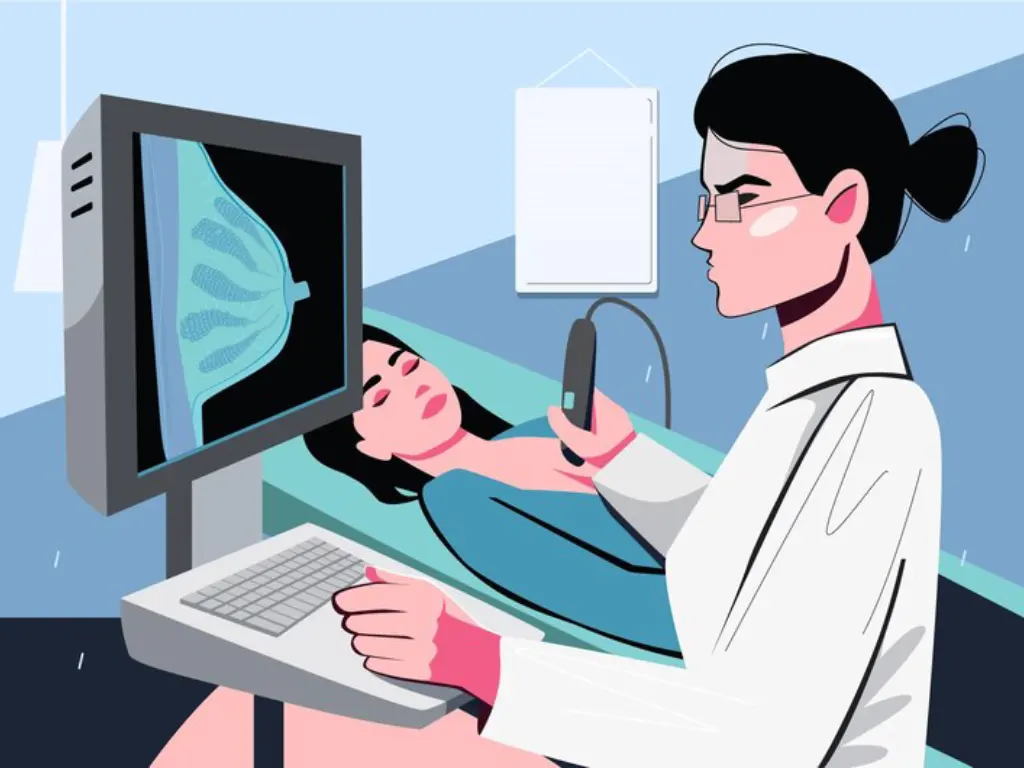
Mammography is one of the most effective and widely used medical imaging techniques, aimed at screening and the early detection of breast cancer. Early detection of breast cancer plays a crucial role in the success of treatment and increasing patients’ survival rates. Mammography can identify very small changes in breast tissue, even before clinical symptoms appear or a palpable lump is present.
What is a mammogram?
Digital mammographyIt is a type of low-dose X-ray imaging specifically designed for examining breast tissue. This method provides detailed images of the internal structure of the breast to identify abnormalities such as masses, calcium deposits (calcifications), or tissue changes. Mammography is used both for screening asymptomatic women and for diagnostic evaluation in individuals suspected of having a condition.
How does mammography assist in the early detection of breast cancer?
Breast cancer in its early stages is usually painless and asymptomatic. Mammography can:
- Detects very small and non-palpable masses.
- Detects early changes in breast tissue.
- Detect cancer years before symptoms become apparent.
Diagnosis at these stages allows for treatment to be simpler, less invasive, and with a significantly higher chance of success.

Types of Mammography
Mammography is categorized into several types based on its purpose and the technology used. Familiarity with the different types of mammography helps women determine which method is most suitable for their specific conditions.
Screening mammography
Screening mammography is performed for asymptomatic women, with the primary goal of early detection of breast cancer. In this type of mammography:
- It is typically performed periodically.
- Very small and initial changes are identified.
- Plays an important role in reducing mortality caused by breast cancer.
This method is primarily recommended for women over the age of 40.
Diagnostic mammography
Diagnostic mammography is performed when there is a symptom or a suspicious finding, such as:
- Palpable mass
- Abnormal breast pain
- Nipple discharge
- Abnormal result in screening mammography
In this method, more precise images are captured from multiple angles to ensure a more comprehensive evaluation.
Digital mammography
In digital mammography, images are captured and stored digitally. This type of mammography:
- It has higher image quality.
- It provides the ability to zoom in and conduct a more detailed examination.
- It provides greater accuracy for women with dense breast tissue.
Today, digital mammography is widely used as the standard method in many centers.
3D mammography (breast tomosynthesis)
Three-dimensional mammography, or tomosynthesis, is one of the most advanced types of mammography that:
- It captures layered images of breast tissue.
- Increases diagnostic accuracy, particularly in dense breasts.
- Increases the likelihood of detecting hidden masses.
This method significantly helps reduce diagnostic errors.
The choice of mammography type depends on factors such as age, clinical symptoms, breast tissue density, and the physician’s recommendation. Timely and appropriate mammography plays a crucial role in the early detection and successful treatment of breast cancer.
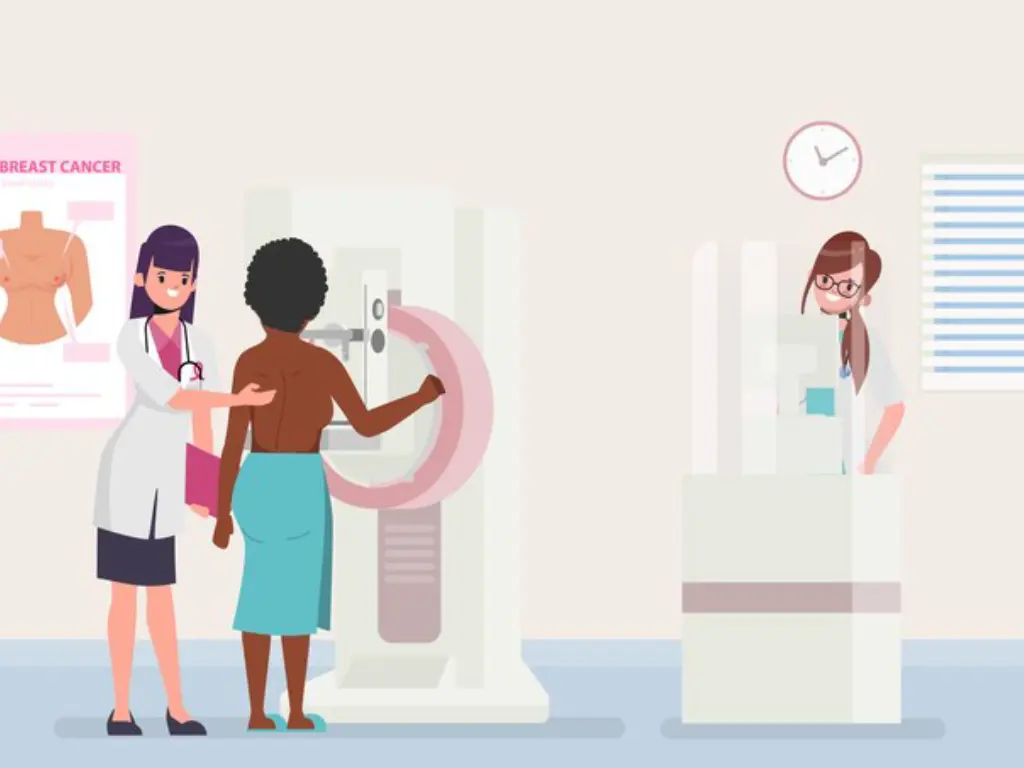
How is a mammogram performed?
Mammography is a fast and relatively simple imaging method that is typically completed in a short amount of time. Familiarity with the steps involved in mammography can help reduce anxiety and promote better cooperation during the imaging process.
Step One: Preparing the Patient
At the beginning, the patient is asked to remove their upper-body clothing and wear a designated gown. Then, the radiologist or imaging technician explains how the breast should be positioned to ensure the image is captured with optimal quality.
Step Two: Positioning the breast in the device
The breast is gently positioned on the specialized plate of the mammography device. A mild pressure is applied to the breast for a few seconds to:
- The breast tissue becomes uniform.
- Clearer and more precise images should be captured.
- The required radiation dose should be reduced.
This pressure may be slightly uncomfortable, but it is short-term and tolerable.
Step Three: Image Preparation
Typically, several images are taken from different angles of each breast. During this time:
- The patient should remain still for a few seconds.
- Imaging takes only a few moments.
The entire mammography process usually takes about 10 to 15 minutes.
Step Four: Completion of Imaging
After the imaging is completed, the patient can immediately resume their daily activities. The recorded images are reviewed and interpreted by a specialist, and the results are provided to the patient or their treating physician.
Is a mammogram painful?
One of the most common concerns before undergoing a mammogram is the fear of pain during the imaging process. Generally, a mammogram is considered a tolerable and brief procedure, with most women describing it as a sensation of pressure or mild discomfort rather than severe pain. During the mammogram, gentle pressure is applied to the breast for a few seconds to flatten the breast tissue, ensuring a high-quality and accurate image. This pressure:
- It only takes a few seconds.
- Plays a significant role in improving diagnostic accuracy.
- Reduces the required radiation dose.
What factors contribute to increased discomfort?
The level of discomfort experienced during a mammogram varies from person to person and may be influenced by the following factors:
- Breast sensitivity, especially before menstruation.
- High breast tissue density
- Anxiety or stress during imaging procedures
How can the discomfort of a mammogram be reduced?
To minimize potential discomfort:
- Perform the mammogram during the first week after the end of your menstrual period.
- If you experience severe pain or sensitivity, please inform the imaging specialist.
- Stay calm and follow the staff’s instructions.
Although a mammogram may cause a feeling of pressure for a few seconds, this discomfort is temporary and tolerable. In contrast, it plays a crucial role in the early detection of breast cancer and in safeguarding women’s health. For most individuals, the benefits of mammography far outweigh its brief discomfort.

Who should undergo a mammogram?
Mammography is one of the most important methods for the early detection of breast cancer, and its necessity and timing are not the same for everyone. The decision to perform a mammogram depends on factors such as age, family history, clinical symptoms, and the physician’s recommendation.
Women over the age of 40
It is generally recommended that women begin regular and periodic screening mammograms starting at the age of 40, even if they have no symptoms. This plays a crucial role in the early detection of breast cancer.
Women with a family history of breast cancer
Individuals with a first-degree family history of breast cancer (such as a mother, sister, or daughter) are typically advised to begin mammography screenings before the age of 40, under the supervision of a physician.
Women with suspicious breast symptoms
If you notice symptoms such as:
- A lump or firmness in the breast
- Change in the shape or size of the breast
- Abnormal discharge from the nipple
- Persistent pain or skin changes
Performing a diagnostic mammogram is essential, even if the individual is under the age of 40.
Individuals with abnormal findings in other evaluations
If a suspicious finding is observed during breast ultrasound or clinical examinations, a mammogram is prescribed for a more detailed evaluation.
Women for whom a doctor has recommended undergoing a mammogram.
In certain specific medical conditions or based on an overall risk assessment, a doctor may recommend undergoing mammography at a younger age or at shorter intervals.
Mammography is a key tool for maintaining breast health, and timely screening, especially in high-risk individuals or those with suspicious symptoms, can play a crucial role in the early detection and successful treatment of breast cancer.
Benefits of Mammography
Mammography, as one of the most effective breast imaging techniques, plays a crucial role in women’s health and the early detection of breast cancer. Due to its high accuracy and accessibility, it has been recognized for years as the gold standard for screening. The most significant advantages of mammography include:
Early Detection of Breast Cancer
Mammography can detect masses and very small changes in breast tissue years before clinical symptoms appear or the abnormalities become palpable. Early detection at this stage significantly increases the chances of successful treatment.
Reduction in mortality caused by breast cancer
Regular screening mammography enables the early detection of breast cancer and directly contributes to reducing mortality associated with the disease.
A non-invasive and rapid method
Mammography is performed without the need for surgery or anesthesia, and the entire process typically takes only a few minutes. After completing the mammography, the individual can immediately resume their daily activities.
High precision in detecting breast tissue changes
Mammography is capable of accurately detecting changes such as calcifications, masses, and structural abnormalities, even in the very early stages of the disease.
Assisting in selecting the appropriate treatment.
Information obtained from mammography helps the physician initiate appropriate follow-up evaluations or treatments at the right time, if necessary, while avoiding unnecessary interventions.
Safe with low-dose radiation
Mammography is performed using very low-dose X-rays and is considered a safe procedure according to medical standards. The benefits of early detection far outweigh any potential risks.
Is mammography safe?
Yes, mammography is considered a safe and standard method for breast examination and screening, and it has been used worldwide for many years. This technique utilizes a very low dose of X-rays, which are carefully controlled and comply with international medical standards. The amount of radiation received during mammography is minimal and does not pose a significant risk to the body. On the other hand, the benefits of early detection of breast cancer far outweigh any potential risks associated with radiation exposure.
The radiation level in mammography
- The dose of mammography radiation is significantly lower than the dangerous threshold.
- Modern devices and digital mammography have minimized radiation levels.
- Imaging is performed solely on the breast area, and other parts of the body are not exposed to radiation.
Is frequent mammography dangerous?
Performing mammography at medically recommended intervals (e.g., annually or biennially) is safe and does not pose any significant risks. These intervals are designed to both safeguard the patient’s health and ensure early detection is carried out in the most effective manner.
In which individuals should mammography be approached with caution?
In certain specific circumstances, a mammogram should be performed based on the physician’s recommendation.
- Pregnancy: Mammography is generally not performed during pregnancy unless absolutely necessary.
- Young women with very dense breast tissue: Supplemental methods such as ultrasound may be recommended.
Mammography is a safe, low-risk, and highly effective method for the early detection of breast cancer. Undergoing this screening as recommended by a physician and at well-equipped centers plays a crucial role in safeguarding women’s health and reducing complications associated with late diagnosis.
Frequently Asked Questions
How often should a mammogram be performed?
For most women, it is recommended to undergo screening mammography annually or biennially starting at the age of 40. The exact interval for mammography depends on factors such as age, family history, overall health, and the physician’s assessment. In high-risk individuals, shorter intervals may be advised.
Can mammography detect all breast cancers?
Mammography is one of the most accurate methods for the early detection of breast cancer. However, like any diagnostic method, it may have certain limitations. For this reason, complementary techniques such as breast ultrasound or MRI are sometimes used to achieve a more precise diagnosis.
Is mammography suitable for young women?
In women under the age of 40, mammography is generally not performed as a routine screening method unless specific circumstances arise, such as the presence of suspicious symptoms or a strong family history of breast cancer. In this age group, breast ultrasound is often considered the primary diagnostic tool.
Is any special preparation required before a mammogram?
It is recommended to avoid using deodorant, cream, or powder on the underarm and breast area on the day of your mammogram, as these substances may affect the images. Additionally, scheduling a mammogram during the first week after the end of your menstrual cycle is generally more comfortable and less painful.
What should be done if the mammogram result is abnormal?
An abnormal result in a mammogram does not necessarily mean cancer. In many cases, the doctor may recommend additional evaluations, such as diagnostic mammography, ultrasound, or, if needed, a biopsy to determine the cause of the changes.
Summary
Mammography (Mammography is a specialized medical imaging technique used to examine breast tissue for early detection and diagnosis of abnormalities, such as cancer.Mammography is one of the most important and effective imaging methods for the early detection of breast cancer, capable of identifying very small and initial changes even before clinical symptoms appear. Timely and regular mammography, especially for women over the age of 40 or those at high risk, plays a critical role in increasing the chances of successful treatment and reducing mortality from breast cancer. Ultimately, undergoing mammography under the supervision of a physician and at well-equipped centers is considered a significant step in maintaining breast health and promoting preventive care for women’s health.