

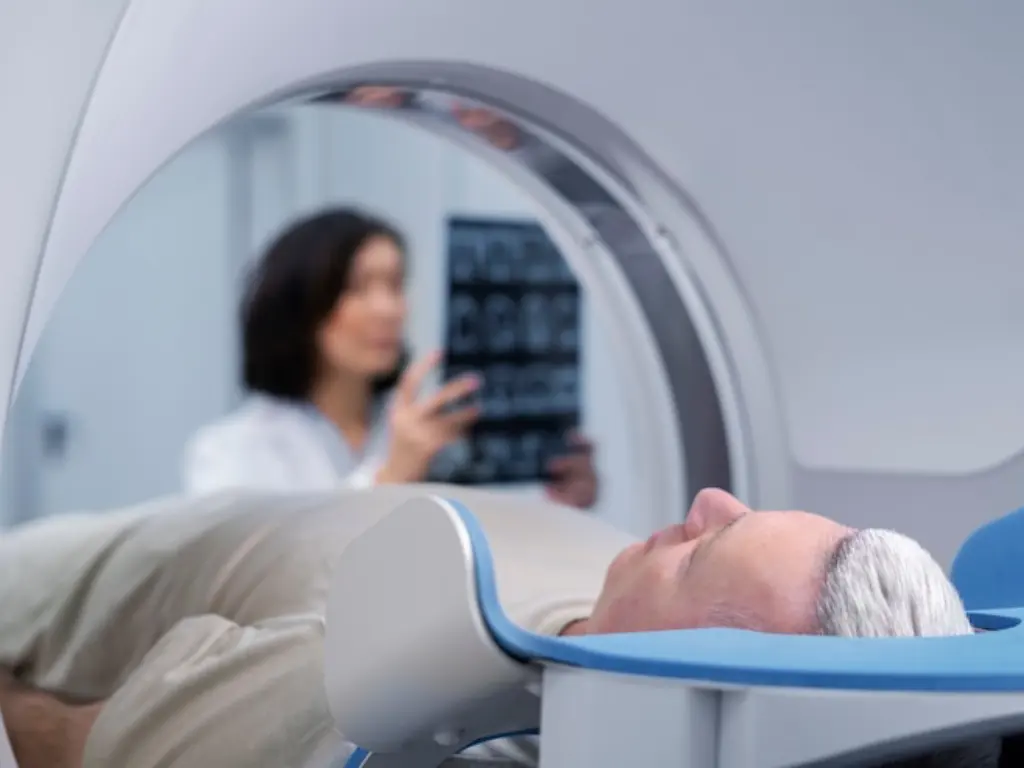
Radiotherapy (radiation therapy) is one of the most effective and widely used methods for treating cancer. By utilizing high-energy radiation, it precisely targets and destroys cancer cells without the need for surgical incisions. This approach can play a pivotal role in controlling and treating cancer, either as a standalone treatment or in combination with surgery and chemotherapy.
What is radiotherapy?
Radiotherapy is a treatment method that uses high-energy ionizing radiation (such as X-rays or gamma rays) to destroy the DNA of cancer cells. This radiation prevents cancer cells from growing and dividing, ultimately leading to their gradual destruction. A key feature of radiotherapy is its precise focus on the tumor area while maximizing the protection of surrounding healthy tissues—an approach that has become increasingly feasible with advancements in modern radiation therapy technologies.
How does radiotherapy help in treating cancer?
Radiotherapy (radiation therapy) uses high-energy beams to directly damage cancer cells, eliminating their ability to grow and divide. These beams destroy the DNA of cancer cells, preventing them from repairing themselves and leading to their gradual destruction, while efforts are made to preserve the surrounding healthy tissues as much as possible. Radiotherapy contributes to cancer treatment in various ways, including:
- Direct destruction of cancer cells and prevention of their proliferation.
- Reducing the size of the tumor before surgery to simplify the surgical procedure.
- Eliminating residual cells after surgery to reduce the likelihood of disease recurrence.
- Controlling cancer growth in cases where a definitive cure is not possible.
- Reducing symptoms of the disease, such as pain, bleeding, or pressure on vital organs.
One of the key advantages of radiotherapy is that it can be used either as a standalone treatment or in combination with other therapeutic methods such as surgery and chemotherapy. For this reason, radiotherapy plays an effective role in enhancing treatment outcomes and improving quality of life at various stages of the disease, tailored to the specific conditions of each patient.
Types of Radiotherapy
Radiotherapy (radiation therapy) is categorized into various types based on the method of radiation delivery and the location of the radiation source. The choice of radiotherapy type depends on the type of cancer, the tumor’s location, the stage of the disease, and the patient’s overall condition. The most important types of radiotherapy include:
External Beam Radiotherapy (EBRT)
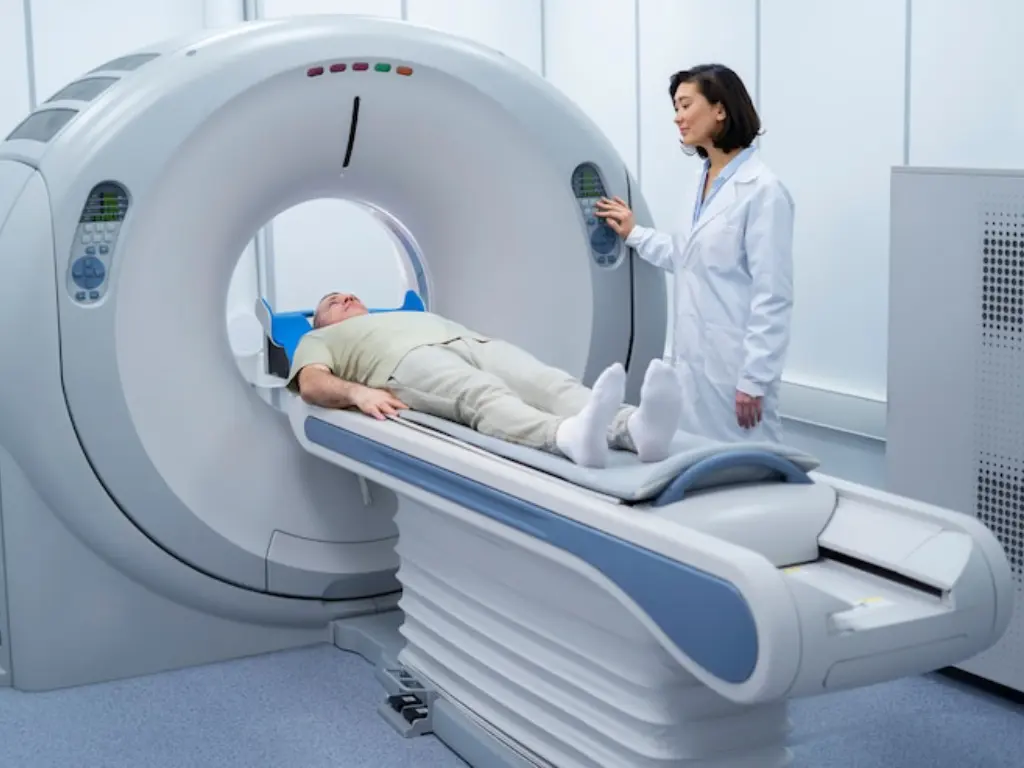
In this method, beams are directed at the tumor from outside the body using advanced devices such as a linear accelerator.
This type of radiotherapy is the most common method of radiation therapy and is used in the treatment of various cancers. Features:
- Without the need for surgery
- High precision in tumor targeting
- Suitable for most cancers.
Internal Radiotherapy (Brachytherapy)
In brachytherapy, the radiation source is placed temporarily or permanently inside or near the tumor. This approach allows a high dose of radiation to directly target the tumor while minimizing damage to surrounding tissues. Applications:
- Cervical cancer
- Prostate cancer
- Some head and neck cancers
Adaptive and Advanced Radiotherapy
Modern radiotherapy techniques enable more precise control over the intensity and direction of radiation, making them highly beneficial for tumors located near sensitive organs. Advantages:
- Reducing damage to healthy tissue
- Improving treatment precision
- Reducing side effects
Palliative Radiotherapy
In this type of radiotherapy, the goal is not a definitive cure but rather the alleviation of symptoms such as pain, bleeding, or pressure exerted by the tumor on organs. This approach plays a significant role in improving the quality of life for patients with advanced conditions.
In which types of cancer is radiotherapy used?
Radiotherapy (radiation therapy) is one of the primary methods for treating cancer. Depending on the type, location, and stage of the disease, it can be used either alone or in combination with surgery and chemotherapy. This approach aims to destroy cancer cells and control tumor growth and is applicable to a wide range of cancers. The most common cancers treated with radiotherapy include:
Breast cancer
Radiotherapy plays an important role in the treatment of breast cancer and is typically:
- After surgery to eliminate the remaining cells.
- To reduce the likelihood of disease recurrence
- Or, in some cases, as the primary treatment.
It is used.
Head and Neck Cancers
In head and neck cancers, radiotherapy can:
- An alternative to surgery in certain patients
- Either in combination with surgery and chemotherapy.
It helps maintain organ function.
Prostate cancer
Radiation therapy is one of the common and effective treatments for prostate cancer.
- It can serve as an alternative to surgery for certain patients.
- Or it may be used after surgery to reduce the risk of disease recurrence.
Lung cancer
In lung cancer, radiotherapy is determined based on the stage of the disease.
- For definitive treatment
- Or controlling tumor growth and reducing symptoms
It is used.
Brain tumors
Radiotherapy plays a role in the treatment of many brain tumors and can:
- After surgery to eliminate the remaining cells.
- Or, in cases where surgery is not feasible, as the primary treatment.
To be used.
Women’s Cancers
In cancers such as:
- Cervical cancer
- Cervical cancer
Radiotherapy, particularly brachytherapy, is considered one of the important treatment methods.
Other cancers
Radiotherapy is also used in the treatment of the following cancers:
- Gastrointestinal cancers
- Skin cancer
- Bone cancers
- Certain types of blood and lymphatic cancers
Radiotherapy is a versatile and effective method used in the treatment of various cancers, ranging from early to advanced stages. The decision to use radiotherapy and the approach to its administration are always determined based on the medical team’s recommendations and the specific conditions of each patient.
How is radiotherapy performed?
Radiotherapy (radiation therapy) is a planned and precise process carried out in several stages to ensure that the radiation is delivered directly to the tumor while minimizing damage to healthy tissues. The procedure is typically painless and performed on an outpatient basis. The main steps of radiotherapy can be summarized as follows:
1. Initial Visit and Evaluation
Initially, the patient is examined by a radiation therapy–oncology specialist. At this stage:
- The type of cancer and the location of the tumor are being examined.
- The treatment goal (curative or palliative) is determined.
- The number of sessions and the radiation dose are determined.
2. Imaging and Treatment Planning
To enhance treatment precision, the necessary imaging is performed (usually a CT scan specifically for planning). Then:
- The exact location of the tumor and the surrounding sensitive organs is determined.
- The path and intensity of the beams are meticulously designed with precision.
- In some patients, a custom mold or special mask is used to keep the body stable.
3. Initiation of radiotherapy sessions
After the treatment plan is prepared:
- The patient is positioned on the device bed in a specified manner.
- The device operates without physical contact with the body, emitting beams toward the target area.
- Each session usually doesn’t take more than a few minutes.
Radiation therapy itself is painless, and the patient does not feel anything.
4. Repeat the sessions as per the schedule.
Radiotherapy is typically administered over several sessions per week and over a period of several weeks. Dividing the sessions helps to:
- Cancer cells gradually die off.
- Healthy tissues should have the opportunity to repair themselves.
5. Follow-up and care during treatment
During the course of radiotherapy:
- The patient’s condition is being monitored regularly.
- Potential complications are managed effectively.
- If necessary, treatment adjustments will be made.
Radiotherapy is a precise, targeted, and non-invasive treatment that is carried out using specialized planning and advanced equipment. Proper execution of these steps enhances the effectiveness of the treatment while minimizing side effects.
Is radiotherapy painful?
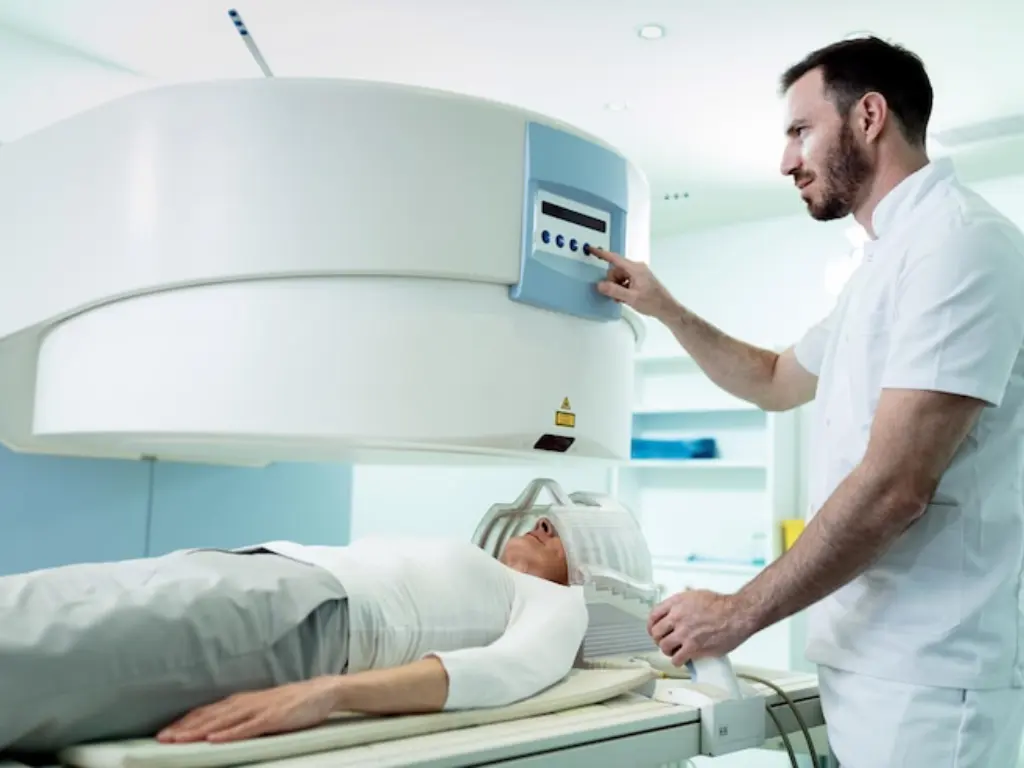
No, the process of undergoing radiotherapy (radiation therapy) itself is not painful. During the radiation exposure, the patient does not feel any pain, burning, or specific sensations. The radiation beams are invisible and are directed at the target area without making direct contact with the body. However, some patients may experience temporary side effects during or after the treatment period. These side effects typically depend on the area being treated and the duration of the radiotherapy, rather than the radiation exposure process itself.
Points to Keep in Mind:
- The radiotherapy session itself is completely painless.
- Each session lasts only a few minutes.
- The patient can return to their daily activities after each session.
Possible complications that might be mistaken for pain:
- General fatigue
- Redness or skin sensitivity in the treatment area
- A sensation of dryness or localized inflammation
- Hair loss occurs only in the area that has been exposed to radiation.
These side effects are usually temporary and manageable, gradually subsiding after the completion of treatment.
Potential Side Effects of Radiotherapy
Radiotherapy (radiation therapy) is generally a targeted and safe method; however, like any cancer treatment, it may be associated with certain side effects. The severity and type of these side effects depend on factors such as the radiation site, treatment dose, number of sessions, and the patient’s overall condition. Importantly, most side effects of radiotherapy are temporary and manageable.
Common Side Effects of Radiotherapy
These side effects are observed in many patients and usually diminish gradually after the completion of treatment.
- General fatigue and lethargy
- Redness, dryness, or skin sensitivity in the treated area.
- Skin changes resembling mild sunburn
- Hair loss occurs only in the area that has received radiation.
Treatment site-related complications
The side effects may vary depending on the area of the body where radiotherapy is performed.
Head and Neck Radiotherapy:
- Dry mouth
- Sore throat or difficulty swallowing
Chest Radiotherapy:
- Cough or a feeling of heaviness in the chest
- Abdominal and Pelvic Radiotherapy:
- Nausea or loss of appetite
- Diarrhea or gastrointestinal changes
Late complications (less common)
In rare cases, certain side effects may appear months or even years after the completion of treatment. These occurrences are uncommon and can usually be minimized with careful treatment planning.
How can the side effects of radiotherapy be managed?
- Following the advice of the doctor and nurse.
- Proper care for the skin in the treatment area
- Adequate rest and proper nutrition
- Report any unusual symptoms to the medical team.
The side effects of radiotherapy in most patients are mild to moderate and temporary, and they can be managed with proper care. Being aware of these side effects and maintaining regular medical follow-ups help ensure the treatment is carried out with minimal discomfort and maximum effectiveness.
Which patients are candidates for radiotherapy?
Radiotherapy (radiation therapy) is not prescribed uniformly for all cancer patients. The decision to proceed with radiotherapy depends on the type of cancer, the location of the tumor, the stage of the disease, the patient’s overall condition, and the recommendations of the treatment team. Generally, the following groups are the most likely candidates for radiotherapy:
Patients whose cancer responds to radiotherapy.
Some cancers exhibit high sensitivity to radiation, and radiotherapy can be utilized either as the primary treatment or as part of a comprehensive treatment plan. Examples include breast cancer, prostate cancer, head and neck cancers, and certain brain tumors.
Patients who require tumor shrinkage prior to surgery.
In certain cases, radiotherapy is performed prior to surgery to reduce the size of the tumor, making the surgical procedure simpler and more effective.
Patients who require additional treatment following surgery.
After cancer surgery, microscopic cancer cells may remain at the site. Post-surgical radiotherapy helps to address this.
- The risk of disease recurrence may decrease.
- To achieve more comprehensive treatment
Patients for whom surgery is not feasible.
In individuals who are not suitable candidates for surgery due to advanced age, underlying medical conditions, or the sensitive location of the tumor, radiotherapy can serve as an effective alternative to surgery.
Patients who require symptom relief.
In advanced stages of cancer, radiotherapy is used as palliative treatment to alleviate symptoms such as:
- Pain
- Bleeding
- Pressure of the tumor on the organs
It is used and plays an important role in improving the quality of life.
Patients receiving radiotherapy in combination with other treatments.
In many patients, radiotherapy is combined with chemotherapy or targeted therapies to enhance the effectiveness of treatment.
Radiotherapy is a targeted and flexible treatment method applicable to a wide range of cancer patients. The selection of this approach is always based on a thorough evaluation of the patient’s condition and a collaborative decision by the medical team to achieve the best therapeutic outcome.
Advantages of Radiotherapy
Radiotherapy (radiation therapy) is one of the most effective methods for treating cancer. With a targeted and non-invasive approach, it plays a significant role in controlling the disease and improving treatment outcomes. This method can be used either alone or in combination with other therapies, offering numerous benefits to patients. The key advantages of radiotherapy include:
Targeted therapy without surgery
The beams are precisely focused on the tumor and, in many cases, eliminate cancer cells without the need for surgical incisions.
Preserving the healthy tissues surrounding the tumor
By utilizing advanced technologies, damage to the healthy tissues surrounding the tumor is minimized.
Suitable for use at various stages of the disease.
Radiotherapy can be used before surgery, after surgery, as a primary treatment, or for palliative purposes.
The possibility of combining with other treatment methods
Radiation therapy integrates effectively with surgery, chemotherapy, and targeted treatments, enhancing the overall efficacy of the treatment.
Reduction of symptoms and improvement in quality of life
In advanced patients, radiotherapy can alleviate pain, bleeding, or the pressure exerted by the tumor on organs.
Performed as an outpatient procedure without anesthesia.
Most radiotherapy sessions are performed on an outpatient basis and do not require hospitalization or anesthesia.
Suitable for a wide range of patients.
Even patients who are not candidates for surgery due to physical conditions or advanced age can benefit from radiotherapy.
Radiotherapy (Radiation therapy With its combination of high precision, appropriate safety, and significant effectiveness, it is considered one of the main pillars of cancer treatment in modern medicine. Choosing this method correctly can play a crucial role in disease management and improving patients’ quality of life.
Frequently Asked Questions
How many sessions does radiotherapy take?
The number of radiotherapy sessions depends on the type of cancer, the location of the tumor, the treatment goal, and the patient’s condition. In some cases, treatment is completed in a limited number of sessions, while for other patients, it may extend over several weeks with multiple sessions per week. The precise treatment plan is determined by the radiotherapy specialist.
Does radiotherapy cause hair loss?
Hair loss during radiotherapy occurs only in the area exposed to radiation. For instance, if radiotherapy is performed on the head, hair loss may be observed in that specific region. However, radiotherapy targeting other parts of the body will not cause hair loss on the scalp.
Does radiotherapy cause radiation to spread to others?
In external radiotherapy, the patient does not retain any radiation in their body after the session, and it is completely safe for them to interact with others. Only in certain specific types of internal radiotherapy might the doctor provide temporary recommendations to maintain distance, which will be explained to the patient in detail.
Does radiotherapy always cause severe side effects?
No, the severity of radiotherapy side effects is not the same for all patients. Many patients experience only mild and temporary side effects, such as fatigue or skin sensitivity. With careful treatment planning and adherence to recommended care guidelines, these side effects can be minimized.
Can radiotherapy alone cure cancer?
In certain types of cancer and specific stages of the disease, radiotherapy can be used as the primary and definitive treatment. In other cases, radiation therapy is combined with surgery or chemotherapy to enhance the effectiveness of the treatment. The final decision is always made by the cancer treatment team.
Summary
Radiotherapy (radiation therapy) is one of the primary and effective methods for treating cancer. It uses high-energy radiation to precisely target and destroy cancer cells without the need for surgery. This approach can be utilized as the main treatment, as an adjunct therapy following surgery or chemotherapy, or to alleviate symptoms and improve the quality of life for patients. The decision to use radiotherapy is always based on the type of cancer, the stage of the disease, and the specific condition of each patient, and it is determined in consultation with the treatment team. Radiotherapy can play a significant role in disease control and the success of treatment.