

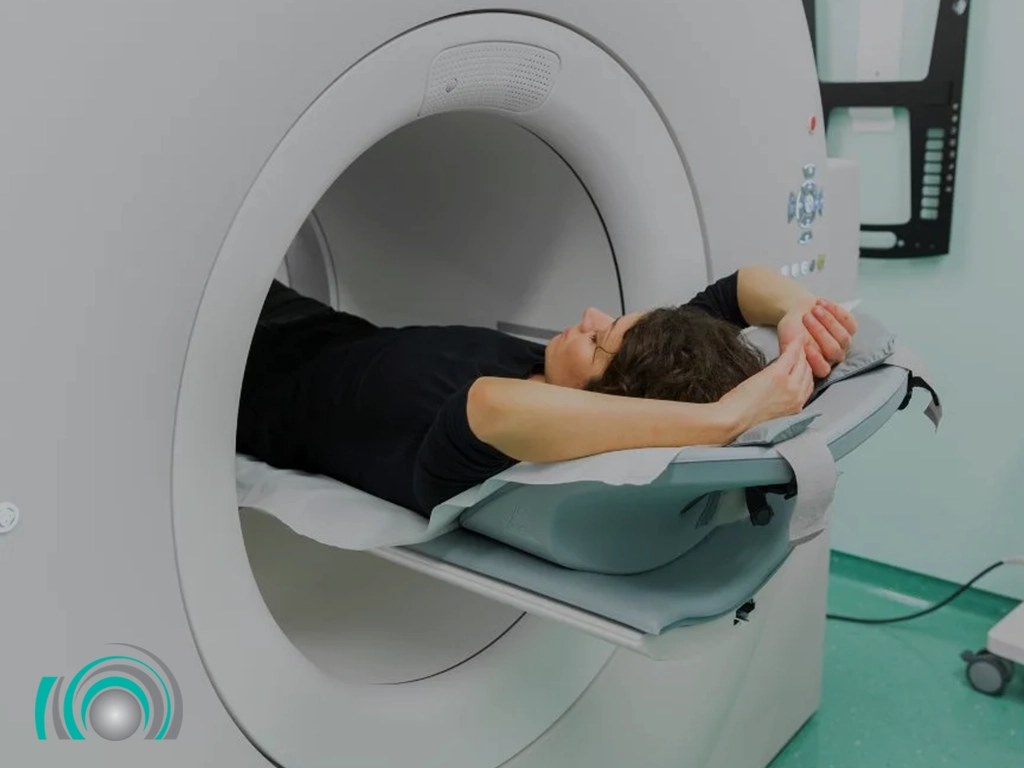
The applications of PET scans in diagnosing and evaluating diseases assist physicians in assessing not only the structural appearance of organs but also the function and activity of the body’s cells. This advanced imaging technique can reveal metabolic changes in tissues—changes that sometimes occur before the onset of clinical symptoms or detectable alterations in other imaging methods. For this reason, PET scans have gained particular significance in areas such as the evaluation of certain cancers, brain disorders, and heart conditions. Understanding the uses of PET scans in disease diagnosis and assessment helps patients better comprehend the purpose of this test and its role in the medical evaluation process.
How does a PET scan assist in diagnosing diseases?
PET scans utilize special tracers to display the metabolic activity of cells. This capability allows functional changes in tissues to be detected even before structural alterations become visible. In many diseases, cellular dysfunction occurs earlier than any noticeable changes in appearance.
Why is this type of information important?
Information obtained from a PET scan can assist physicians in distinguishing between active, less active, or inactive tissue. This is particularly significant in evaluating certain diseases, especially complex cases.
- Early detection of functional changes
- Completion of information from other imaging methods
- Helping to achieve a more accurate assessment of the disease condition
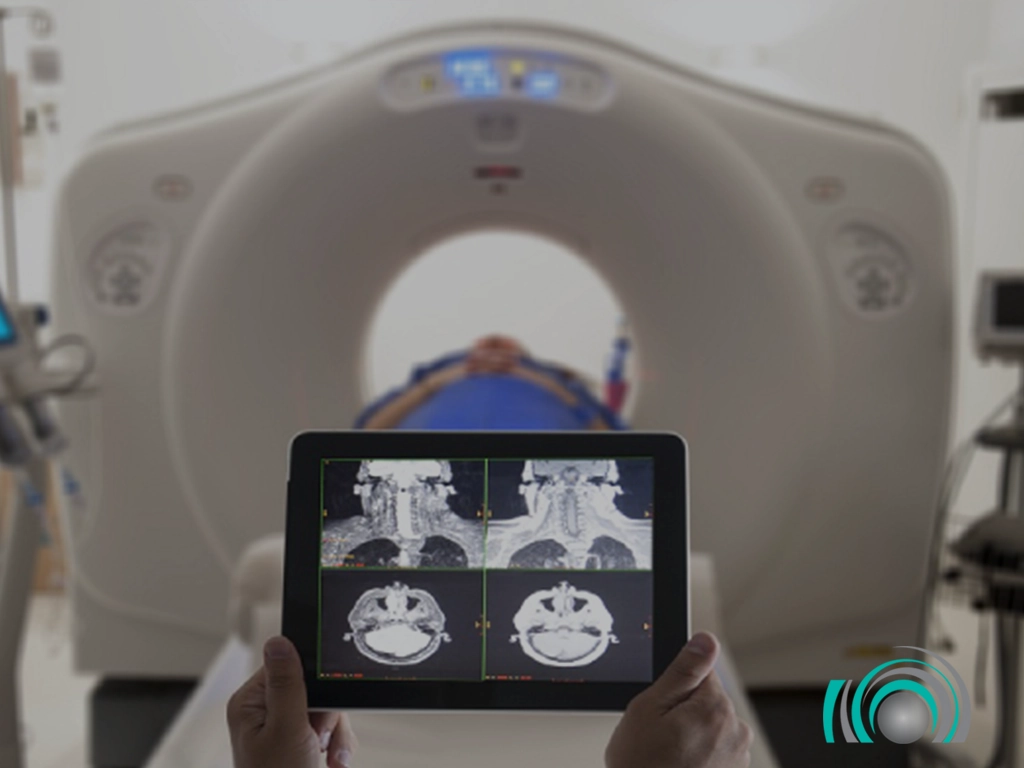
Applications of PET scans in the evaluation of cancerous diseases
One of the most well-known applications of PET scans is their use in evaluating certain types of cancer. This method can assist physicians in identifying abnormal cellular activity in various parts of the body. Such information, when combined with other diagnostic evaluations, provides a more comprehensive picture of the patient’s condition.
Assisting in the evaluation of response to treatment
A PET scan may be used to assess the spread of a disease or evaluate changes in cellular activity over time. This information can play a role in the physician’s subsequent decision-making.
- Assisting in evaluating the extent of the disease
- Comparison of the condition before and after treatment
- Enhancing the accuracy of evaluation alongside other methods
Applications of PET Scans in Brain and Nervous System Disorders
In certain brain disorders, PET scans can reveal the activity patterns of different regions of the brain. This information is crucial for gaining a better understanding of brain function under specific conditions. Metabolic changes in the brain can sometimes be detected earlier than structural changes.
The role of PET scans alongside other methods
PET scans are typically not used alone; instead, they are combined with methods such as MRI or CT scans to provide supplementary information. This combination can contribute to a more precise understanding of the condition.
- Display of Brain Activity Patterns
- Assisting in the evaluation of functional disorders
- Completion of other imaging findings
Applications of PET Scan in Cardiovascular Diseases
A PET scan can provide information about the level of activity and blood flow to the heart muscle. This data helps physicians better assess heart tissue function in certain cardiac conditions.
The Importance of Investigating Cardiac Metabolism
In certain patients, evaluating the metabolism of the heart muscle can be beneficial alongside other tests. This information aids in making more accurate decisions regarding the condition of the heart.
- Assessment of Heart Tissue Viability
- Assisting in the evaluation of heart function
- Supplementary use alongside other methods
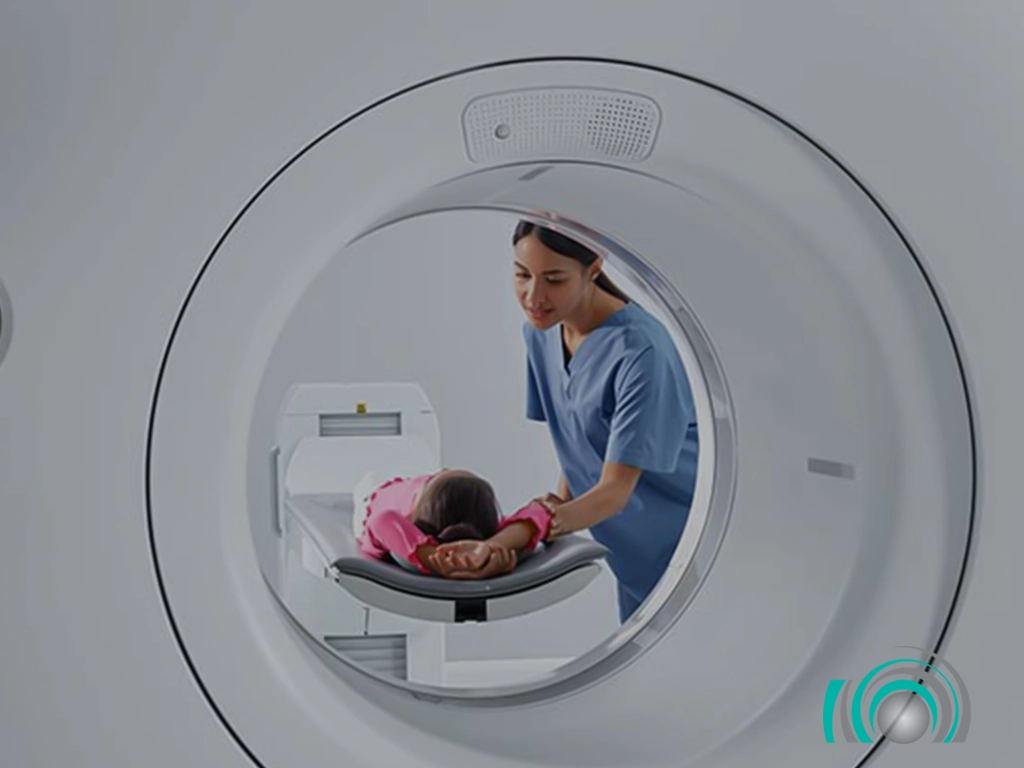
PET scan in monitoring and evaluating disease progression
One of the advantages of PET scans is the ability to compare results over different periods of time. This feature helps physicians monitor changes in cellular activity over time. Such comparisons can be crucial for tracking the progression of a disease.
The role of PET scan in monitoring the patient’s condition
Careful monitoring can aid in the early detection of new changes. PET scans, alongside other evaluations, are considered a suitable tool for this purpose.
- The ability to compare previous and new images.
- Assisting in monitoring the progression of the disease
- Completion of the patient’s clinical information
Limitations and Important Considerations in the Use of PET Scans
Despite its widespread applications, PET scans are not used for all patients or conditions. Factors such as the type of disease, the purpose of the evaluation, and the physician’s judgment play a role in selecting this method.
The Role of the Physician in Final Evaluation
PET scan results should always be interpreted by a physician in conjunction with other clinical findings. Relying solely on a single imaging modality can be misleading.
- Purposeful use based on need
- Specialized Interpretation of Results
- Decision-making alongside other evaluations
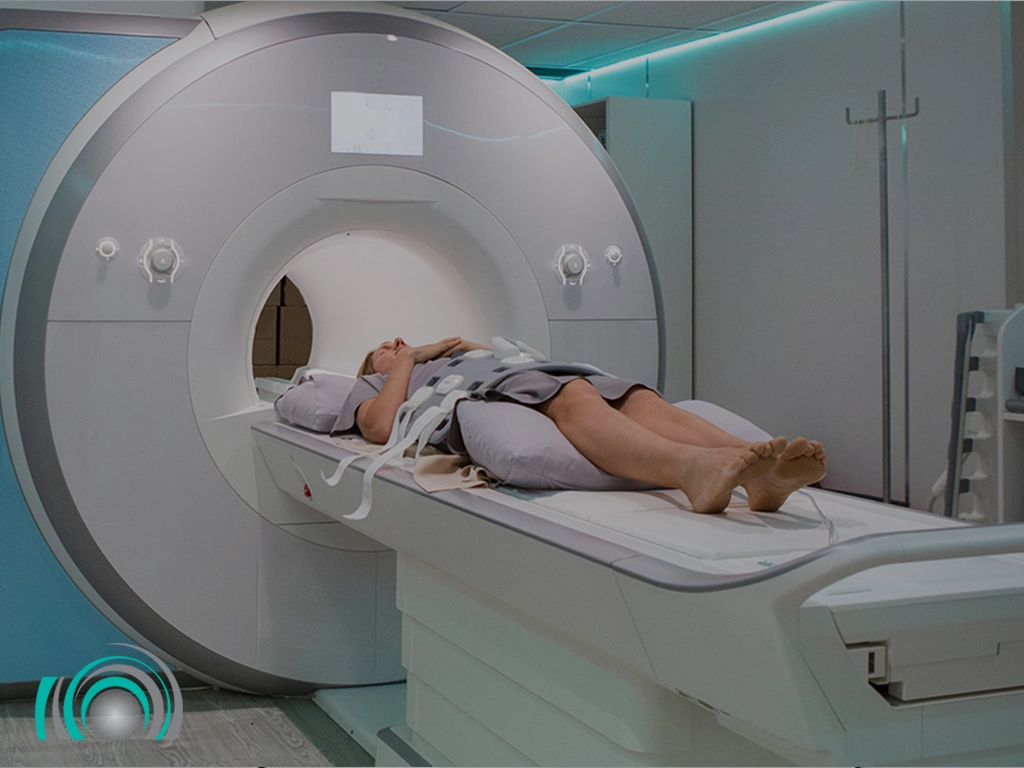
Frequently Asked Questions About PET Scan Applications
1. What are the primary diseases for which PET scans are used?
PET scans are primarily used to evaluate diseases associated with changes in cellular function. This method can provide critical information about tissue activity in certain cancers, brain disorders, and heart conditions. Unlike techniques that only display the structural anatomy of organs, PET scans assess metabolic function. For this reason, physicians often use it as a complementary diagnostic tool. The decision to utilize a PET scan depends on the patient’s condition and the physician’s judgment.
2. Are the applications of PET scans limited to cancer only?
No, the applications of PET scans are not limited to evaluating cancers. This method is also used in assessing certain brain disorders, such as functional abnormalities, as well as in examining the condition of the heart muscle. PET scans can reveal patterns of tissue activity in various organs. This unique feature has made it valuable across different fields of medicine. However, its use is always purposeful and based on medical necessity.
3. How do the applications of PET scans differ from those of CT scans?
PET scans primarily focus on evaluating cellular function and activity, whereas CT scans reveal the structure and shape of organs. PET scans can detect metabolic changes earlier than structural changes. For this reason, these two methods are often used complementarily. The physician determines which method is more appropriate based on the purpose of the evaluation. Combining the information from these techniques can provide a more comprehensive picture of the patient’s condition.
4. Are PET scan results alone sufficient for diagnosis?
PET scan results alone are usually not sufficient for a definitive diagnosis. These images must be evaluated alongside other tests, imaging studies, and clinical symptoms. While PET scans provide valuable information, their interpretation requires specialized knowledge. Physicians use these results to complement the overall assessment process. Final decisions are always made based on a comprehensive set of data.
5. Do all patients need to undergo this test due to the applications of PET scans?
No, the applications of PET scans do not imply that all patients require this test. A PET scan is recommended only in situations where its information can aid in medical decision-making. Factors such as the type of disease, the stage of evaluation, and the individual condition of the patient play a role in this decision. The physician selects the appropriate method by considering the benefits and limitations. The primary goal is to obtain useful information while ensuring the patient’s safety.
Summary
The applications of PET scans in diagnosing and evaluating diseases enable physicians to assess the function and activity of the body’s cells with greater precision. This advanced imaging technique, when used alongside other methods, can provide valuable supplementary information in areas such as the evaluation of certain cancers, brain disorders, and heart conditions. Due to the specialized nature of these images, the interpretation of PET scan results should always be performed by a physician and tailored to the individual patient’s circumstances. Familiarity with the uses of PET scans can help patients approach their medical evaluations with greater awareness and understanding.